Installing a new fence is a significant investment in your property, enhancing both its aesthetics and security. However, the long-term stability and integrity of that fence are heavily dependent on a factor often overlooked by homeowners: the very ground it stands upon. In the Metro Detroit area, understanding local soil conditions is paramount for any successful new fence installation, a critical insight that KJ Wren Contracting always prioritizes. Ignoring these subterranean specifics can lead to costly issues down the line, compromising your fence's durability and requiring premature fence repair.
Understanding Metro Detroit's Diverse Substrates
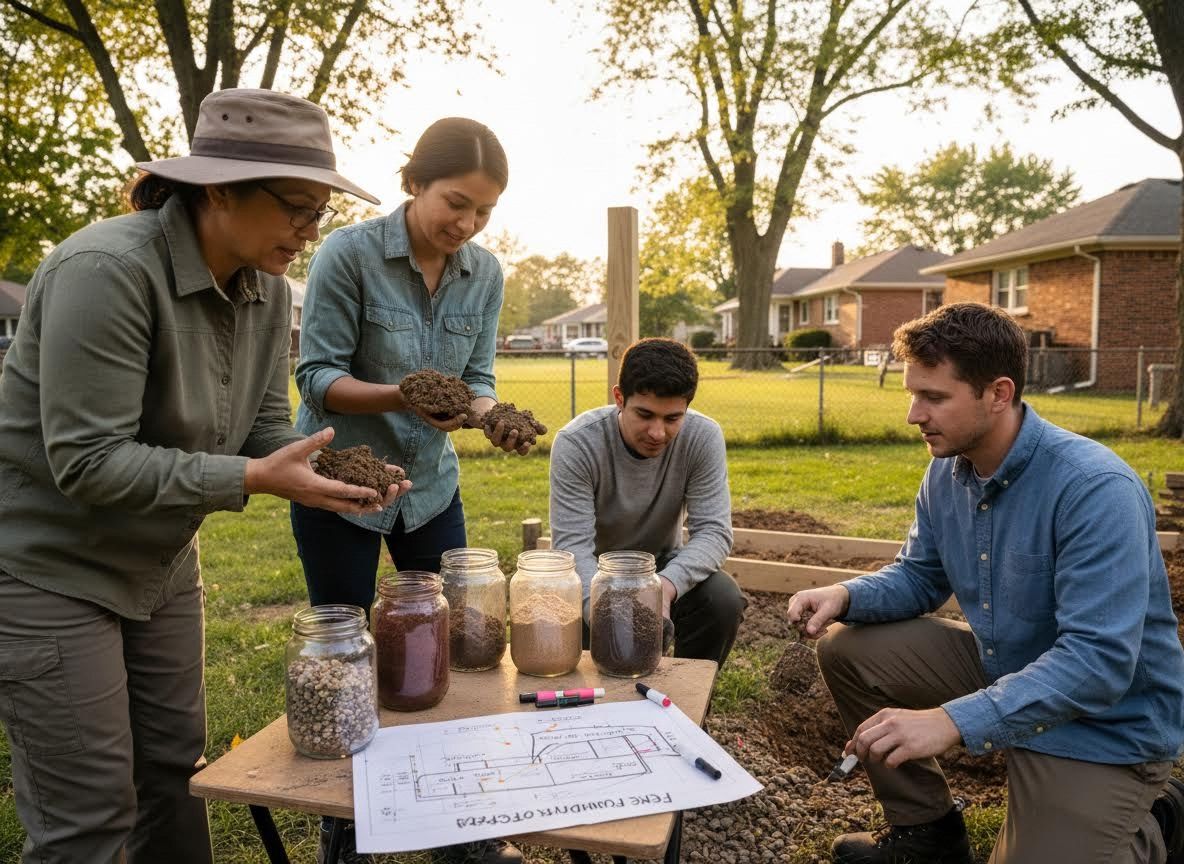
The Metro Detroit region is characterized by a variety of soil types, each with unique properties that can impact fence stability. Predominantly, homeowners will encounter heavy clay soils, which are dense and retain moisture, leading to expansion and contraction with changing weather. Other areas might feature sandy loam, which offers better drainage but can provide less structural support if not properly prepared. Understanding whether your property has expansive clay, loose sand, or a mix of soil types is the first step in planning a fence that will last. This geological diversity requires a nuanced approach to foundation work for any fence.
The Direct Impact on Fence Stability and Longevity
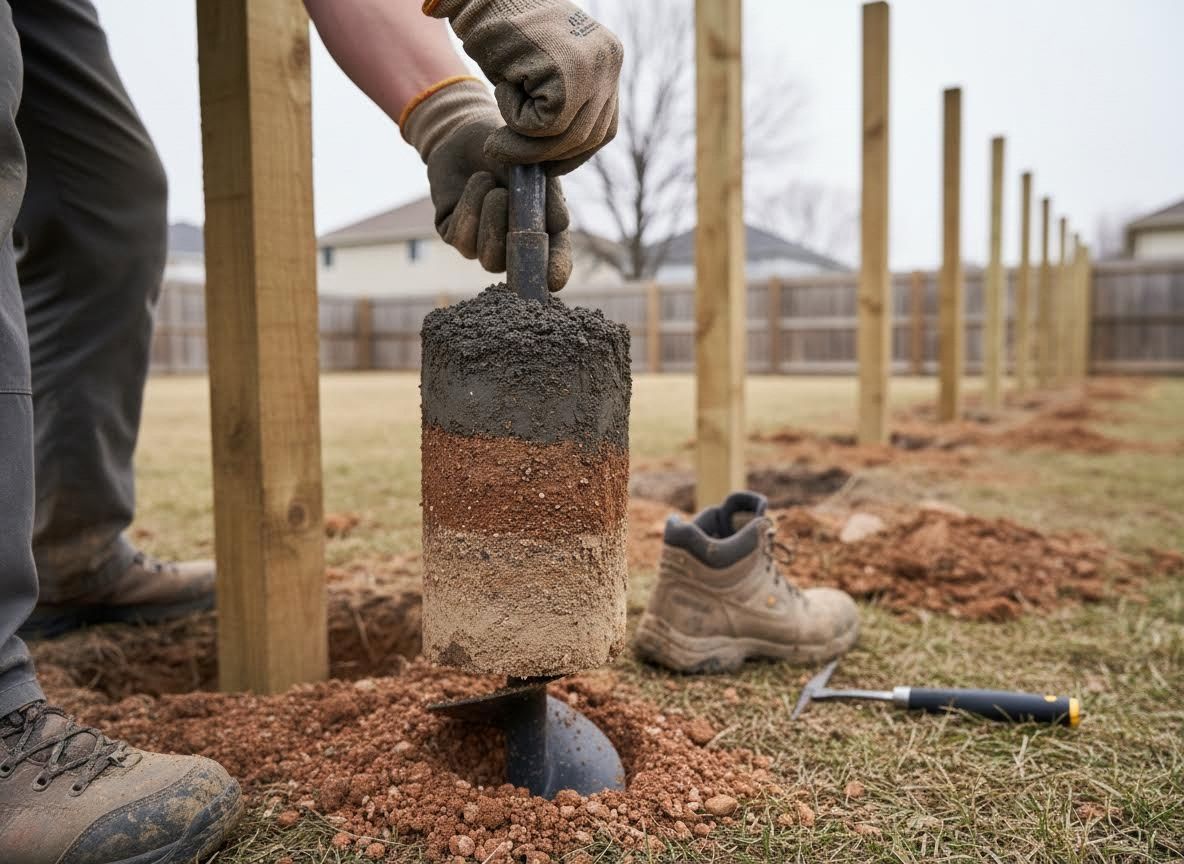
The type of soil directly influences how fence posts behave over time. In expansive clay soils, the freeze-thaw cycles common in Michigan winters can cause soil upheaval, known as frost heave, which can lift and shift fence posts out of alignment. Conversely, in very sandy or loose soils, posts may not have sufficient lateral support, leading to leaning or instability, especially under stress from wind or impact. Improperly secured posts in unsuitable soil can quickly compromise the entire fence line, reducing its lifespan and necessitating frequent fence repair. A quality fence contractor knows that the foundation is as important as the fence materials themselves.
The Professional Approach to Soil Assessment
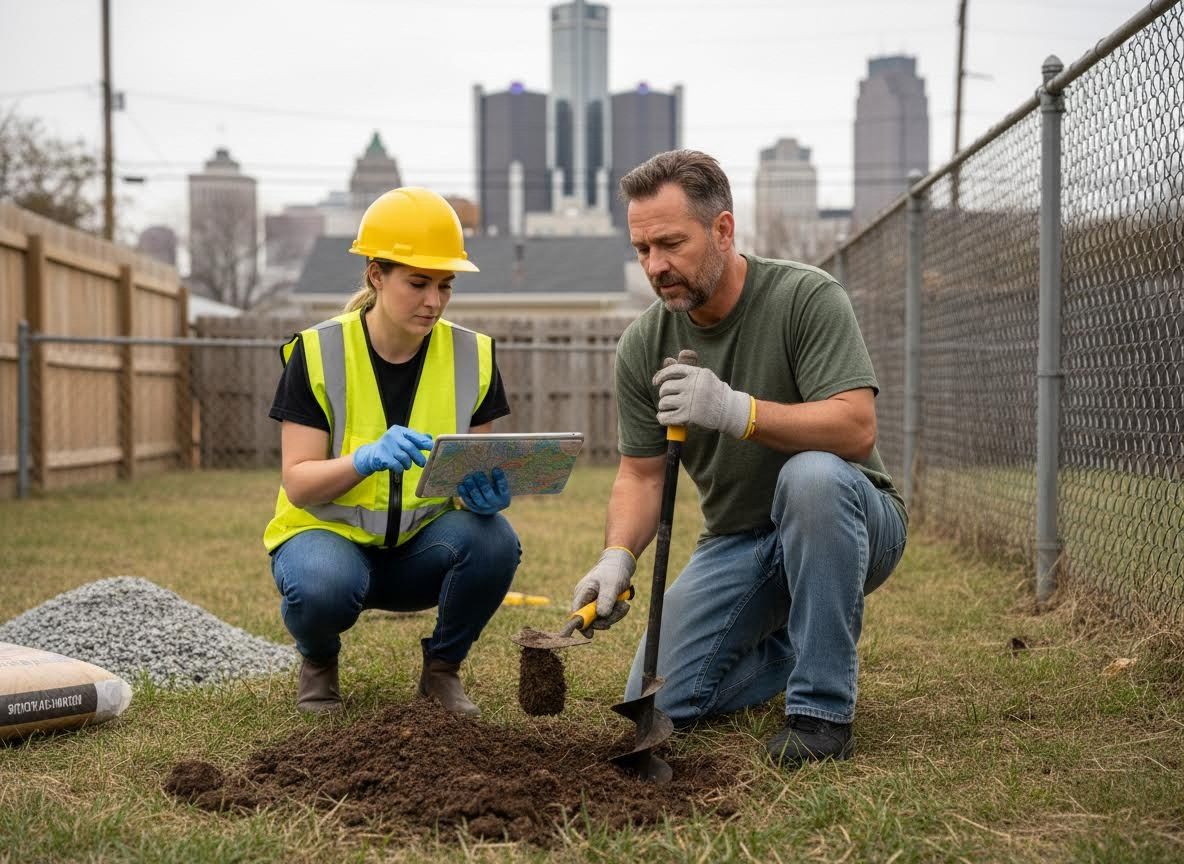
For a durable new fence installation, an experienced fence contractor will always begin with a thorough assessment of your property's soil. This isn't just about digging a hole; it involves understanding the local geological data, observing soil composition, and planning accordingly. Depending on the findings, strategies might include digging deeper post holes to get below the frost line, widening the footings for increased stability, or using specific gravel or concrete mixes designed to mitigate soil expansion and contraction. This meticulous approach ensures that each post is anchored securely, providing a robust foundation that can withstand environmental pressures for decades.
Ensuring the longevity and stability of your fence in Metro Detroit starts with a profound understanding of the ground beneath it. By recognizing the critical role of local soil conditions and enlisting the expertise of a professional fence contractor, you can safeguard your investment against premature wear and the need for extensive fence repair. KJ Wren Contracting consistently applies this disciplined approach to every new fence installation, guaranteeing a sturdy and enduring structure. For more detailed insights into tailoring a fencing solution to your unique property conditions, considering reaching out to a local fencing specialist.