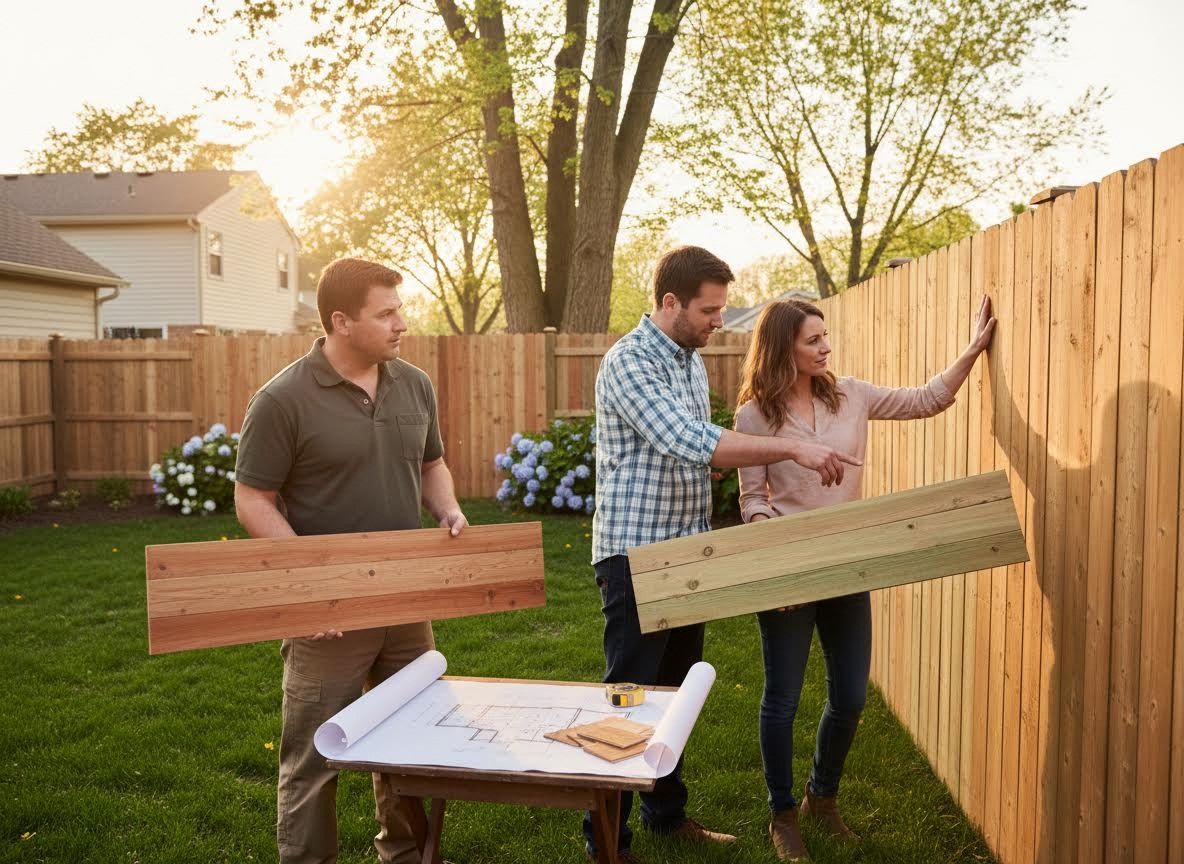
Choosing the right wood for a new fence installation is a pivotal decision that impacts not only the aesthetic appeal of your property but also its long-term durability and maintenance. With various options available, understanding the characteristics of each wood type is essential for making an informed choice that aligns with your specific needs and regional climate. As a leading fence contractor, KJ Wren Contracting emphasizes that a thoughtful selection at this stage will contribute significantly to your fence’s longevity and overall performance.
Understanding Key Factors for Wood Selection
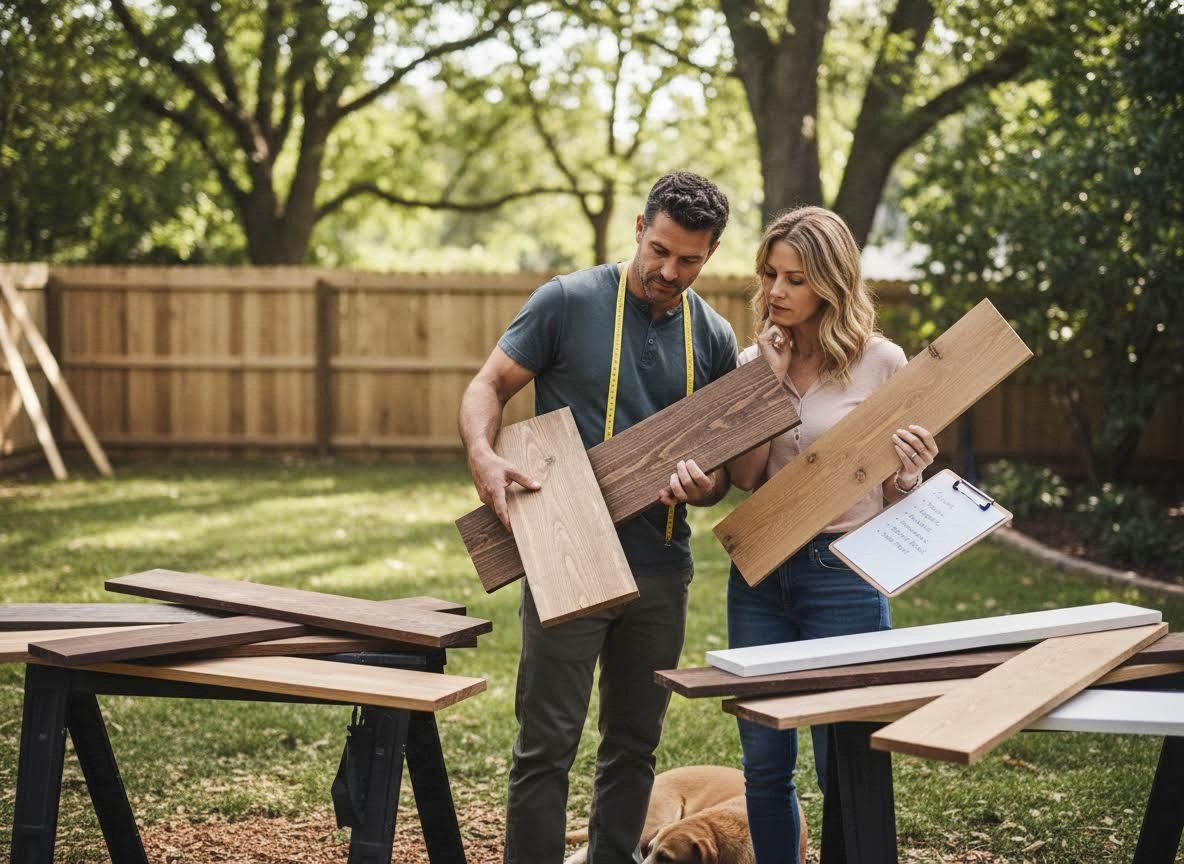
Before selecting a specific wood type, it's crucial to consider several factors that will influence your decision. The local climate, your budget, desired aesthetic, and the level of maintenance you are willing to undertake all play significant roles. Wood fencing must withstand environmental challenges such as moisture, insects, and temperature fluctuations. Therefore, prioritizing rot and pest resistance, stability against warping or cracking, and the ability to accept stains or paints are vital considerations for any homeowner looking to invest in a quality fence.
Common and Reliable Wood Options
Two of the most frequently chosen wood types for fencing in the Oakland County and Metro Detroit regions are pressure-treated pine and cedar. Pressure-treated pine is a popular choice due to its affordability and enhanced resistance to rot and insects, achieved through chemical treatment. While it offers good durability, it may be prone to warping or cracking if not properly sealed and maintained. Cedar, particularly Western Red Cedar, is highly valued for its natural beauty, aromatic qualities, and inherent resistance to decay and insect infestations. Although generally a more significant upfront investment than treated pine, cedar's stability and beautiful aging process often make it a preferred option for those seeking a premium appearance with less chemical reliance, though it still benefits from periodic sealing to preserve its color and extend its life.
The Role of Professional Installation and Longevity
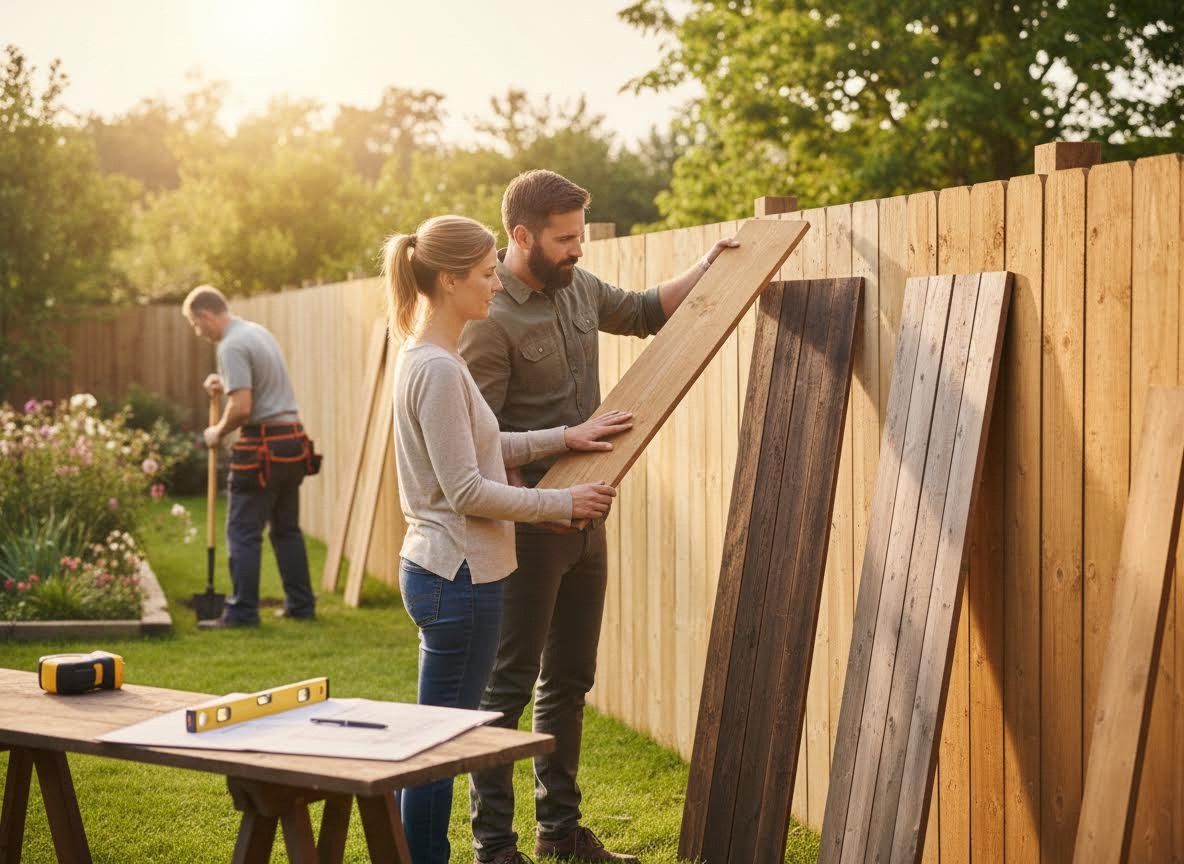
Regardless of the wood chosen, the quality of your new fence installation is paramount to its longevity and performance. Even the most durable wood type can fail prematurely if not installed correctly, leading to potential fence repair issues down the line. A skilled fence contractor understands the nuances of proper post setting, panel alignment, and hardware selection to ensure structural integrity and aesthetic consistency. Beyond installation, regular maintenance, such as cleaning, sealing, and prompt addressing of minor damages, will significantly extend the life of your wooden fence and protect your investment for years to come.
Selecting the appropriate wood for your new fence installation is a significant step towards achieving a beautiful and long-lasting addition to your property. By carefully considering factors such as durability, maintenance, and aesthetics, and by understanding the characteristics of different wood types, you can make a choice that perfectly suits your home and lifestyle. To explore the best wood options and ensure a professional new fence installation that stands the test of time, consider consulting with a dedicated local expert like KJ Wren Contracting to discuss your specific project needs.